
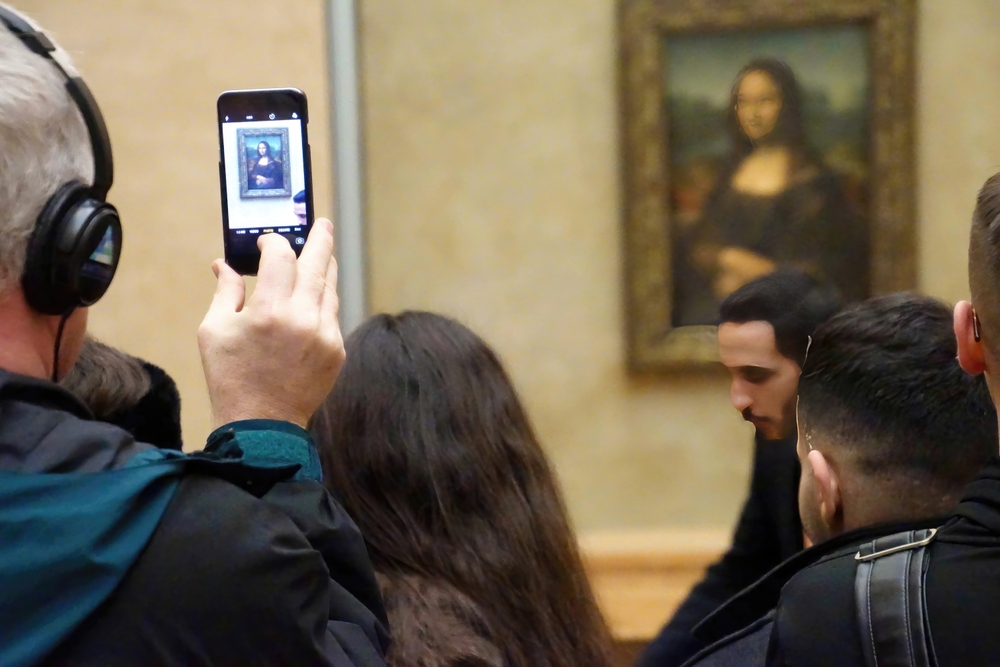
El arte está lleno de historias fascinantes y sorprendentes que, en ocasiones, parecen sacadas de una novela de misterio. El Instituto Nebrija de Artes y Humanidades inaugura una nueva sección en Instagram y en su blog: El robo del siglo: La desaparición de la Mona Lisa.
El robo de la Mona Lisa: un lunes que cambió la historia
El 21 de agosto de 1911, el Museo del Louvre amaneció con una noticia que sacudió al mundo: la Mona Lisa, también conocida como la Gioconda, había desaparecido. La pintura, una de las más icónicas del arte renacentista, fue robada sin que nadie lo advirtiera en un día en que el museo permanecía cerrado al público.
La obra de Leonardo da Vinci, con su enigmática sonrisa, atrajo aún más atención tras este insólito robo. No fue hasta el día siguiente, cuando un pintor que visitó la sala donde se exponía la pintura encontró su espacio vacío, que el robo salió a la luz. Desde ese momento, el escándalo del robo de la Mona Lisa ocupó titulares en todo el mundo.
Vincenzo Peruggia: el ladrón de la Mona Lisa
El responsable del robo fue Vincenzo Peruggia, un carpintero italiano que había trabajado en el Louvre y conocía bien el edificio. Movido por un sentido patriótico, Peruggia creía que la Mona Lisa debía regresar a Italia, su país de origen. Aprovechando su acceso al museo, se escondió durante la noche, salió disfrazado con una bata blanca similar a la del personal del museo y se llevó la pintura escondida bajo el brazo.
Durante dos años, la Mona Lisa estuvo oculta en un pequeño apartamento en París. Finalmente, en 1913, Peruggia intentó vender la pintura a un galerista de Florencia, quien alertó a las autoridades. Así fue como la obra maestra regresó al Louvre en 1914, convirtiéndose en un auténtico mito y en una de las pinturas más famosas del mundo.
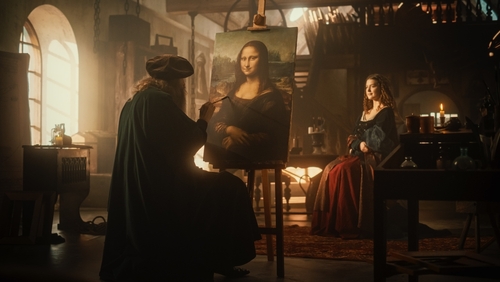
La Gioconda: un icono del arte mundial
El robo de la Mona Lisa no solo aumentó la notoriedad de esta pintura, sino que también contribuyó a alimentar el misterio que la rodea. Hoy, la obra atrae a millones de visitantes al Museo del Louvre cada año, quienes buscan contemplar la famosa sonrisa enigmática de la Gioconda.
El impacto del robo fue tan grande que, hoy en día, esta anécdota sigue siendo una de las historias más fascinantes y conocidas del mundo del arte.
Descubre más anécdotas del arte en Artes Nebrija
Con esta historia el Nebrija Arts and Humanities Institute da inicio a su nueva sección del blog: Anécdotas del mundo del arte. Desde su blog seguiran compartiendo curiosidades, relatos y secretos de las obras y artistas que han marcado la historia. Si quieres saber más sobre esta y otras historias del arte, síguenos en Instagram y mantente al día con nuestras publicaciones.
The Heist of the Century: The Disappearance of the Mona Lisa
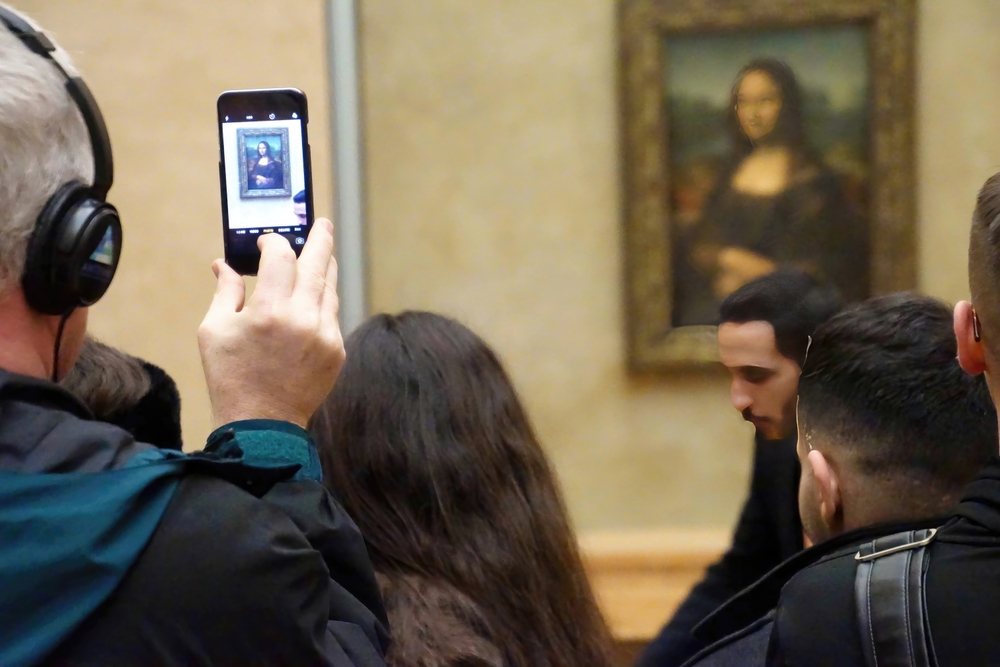
Art is full of fascinating and surprising stories that, at times, seem like something out of a mystery novel. Nebrija Institute of Arts and Humanities is thrilled to launch a new section on Instagram and its blog: Anecdotes from the World of Art. And what better way to kick it off than with one of the most famous episodes in art history: the theft of the Mona Lisa, a masterpiece by Leonardo da Vinci.
The Theft of the Mona Lisa: A Monday That Changed History
On August 21, 1911, the Louvre Museum woke up to a shocking headline: the Mona Lisa, also known as the Gioconda, had vanished. The painting, one of the most iconic pieces of Renaissance art, was stolen without anyone noticing on a day when the museum was closed to the public.
Leonardo da Vinci’s masterpiece, with its enigmatic smile, garnered even more attention following this extraordinary theft. It wasn’t until the next day, when an artist visiting the gallery noticed the empty space where the painting had hung, that the theft came to light. From that moment, the scandal of the Mona Lisa’s theft dominated headlines around the globe
Vincenzo Peruggia: The Thief Behind the Mona Lisa’s Disappearance
The man responsible for the theft was Vincenzo Peruggia, an Italian carpenter who had worked at the Louvre and knew the building well. Driven by patriotic motives, Peruggia believed the Mona Lisa should return to Italy, its country of origin. Using his access to the museum, he hid overnight, disguised himself in a white smock similar to the staff’s uniform, and carried the painting out under his arm.
For two years, the Mona Lisa remained hidden in a small Paris apartment. Finally, in 1913, Peruggia attempted to sell the painting to a gallery owner in Florence, who alerted the authorities. Thus, the masterpiece was returned to the Louvre in 1914, becoming a true legend and one of the most famous paintings in the world.
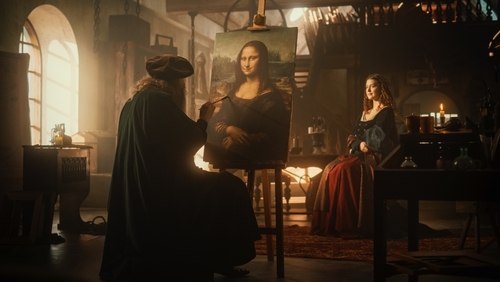
The Gioconda: An Icon of World Art
The theft of the Mona Lisa not only elevated the painting’s fame but also deepened the mystery surrounding it. Today, the artwork attracts millions of visitors to the Louvre Museum each year, all eager to glimpse the famous enigmatic smile of the Gioconda.
The impact of the theft was so significant that, even today, this anecdote remains one of the most fascinating and well-known stories in the world of art.
Discover More Art Anecdotes at Nebrija Arts
With this story, Nebrija Institute of Arts and Humanities kicks off its new blog section: Anecdotes from the World of Art. Through our blog, we will continue to share curiosities, stories, and secrets about the works and artists who have shaped history. If you’d like to learn more about this and other art stories, follow us on Instagram and stay tuned for our updates.